
Most brands do not lose to counterfeiters. They lose to themselves.
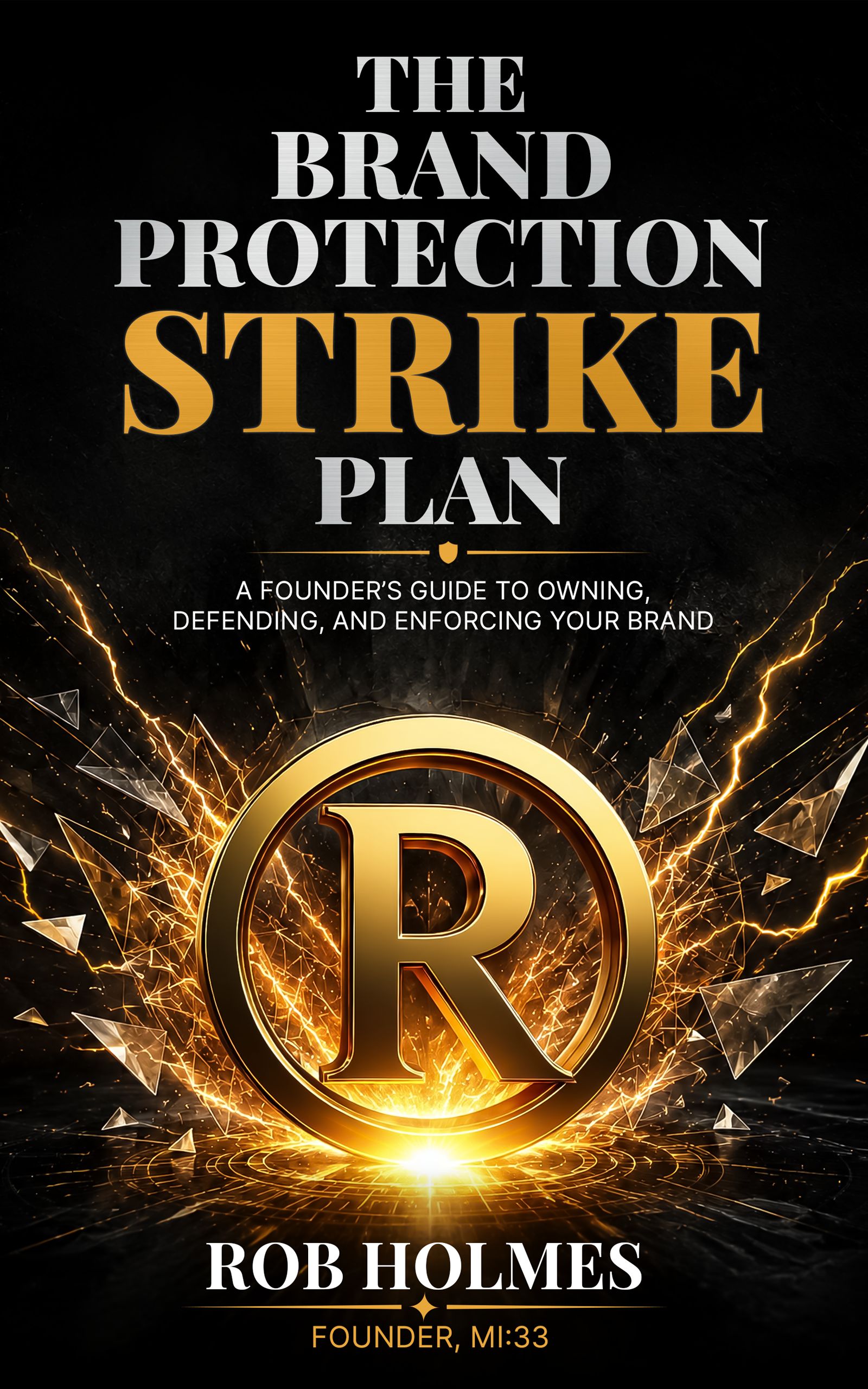
The Brand Protection Strike Plan is a founder’s guide to owning, defending, and enforcing your brand. The plan a career investigator runs for his clients, yours to read free.
A cheap mistake at the start becomes an expensive fight later.
A skipped search. A lapsed filing. A market no one watched. Most brand disasters trace back to a quiet step someone skipped near the beginning. This book closes those gaps before they open, and hands you the moves for when a fake shows up anyway.
Three moves, in order.
Own the name
Clear the name, then register the mark. Take real ownership before you build, so the rest of the plan has ground to stand on.
Defend the moat
Keep the registration alive, extend past the border, and watch the market. Hold what you built before a small problem grows.
Enforce your rights
The measured first move, the takedown, and the strike, only when the case is built and the decision is made in cold blood.
What you will learn
- Clear a name before you commit, and never get the letter.
- File a trademark the right way, and read the refusals most founders miss.
- Keep your registration alive, with records a court respects.
- Protect your brand across borders before a squatter beats you.
- Tell a fake from a grey-market seller, and handle each the right way.
- Run takedowns, raids, seizures, and lawsuits built on real evidence.
- Know the moment to bring in a pro you direct.
You, if
Method, then the case files.
Every chapter gives you the method, a real story from thirty years in the field, and a short action list you run when the pressure is on. No theory. No jargon. The stories come from cases behind the rules for brand protection online.
The undercover investigation behind the first marketplace held liable for counterfeiting.
The first US suit to hold an internet service provider liable for counterfeiting.
A published example of the web-forensics method.
Rob Holmes
Rob Holmes has spent three decades hunting counterfeiters and protecting brands. He founded MI:33, a boutique investigative firm built on anti-counterfeiting, OSINT, and trademark use-in-commerce work. His undercover buys and web forensics stand behind landmark rulings, and courts have relied on his evidence in hundreds of federal cases.
He trained the investigators, attorneys, and officers who do this work. The national press called his enforcement style killing piracy with kindness. He works out of the Dallas-Fort Worth area, and still takes the call when a brand finds a fake.